Asia-Pacific — Japan
HOMER software for energy projects in Japan
Japan's electricity system reform — liberalisation since 2016, the FIT-to-FIP transition, and the new capacity market (容量市場) and demand response market (需給調整市場) — has created new modelling requirements for grid-scale storage, C&I, and Japan's 6,000+ inhabited islands. Okinawa Electric's 39-island system is among the most complex isolated utility systems in the world.
Japan's energy system reform
Japan's electricity system reform, administered by METI (Ministry of Economy, Trade and Industry) and ANRE (Agency for Natural Resources and Energy), has progressively separated generation, transmission, and retail since 2016. OCCTO (Organisation for Cross-regional Coordination of Transmission Operators) coordinates the nine regional grid operators and the interconnectors between them.
JEPX (Japan Electric Power Exchange) operates the day-ahead and intraday spot markets. Japan's capacity market (容量市場) — launched in 2020 with the first delivery year in 2024 — procures capacity four years forward, with BESS clearing auctions as dispatchable assets. The demand response market (需給調整市場) procures frequency regulation and reserve services from flexible resources including BESS, industrial loads, and EV aggregation.
The FIT-to-FIP transition — Feed-in Tariff to Feed-in Premium — moves solar and wind generators onto market exposure after their FIT terms expire. Japan has approximately 10 GW of solar exiting FIT between 2024 and 2026. These post-FIT assets face spot price exposure and increasingly co-locate with BESS or convert to FIP mode. HOMER Front models post-FIT asset dispatch under FIP economics.
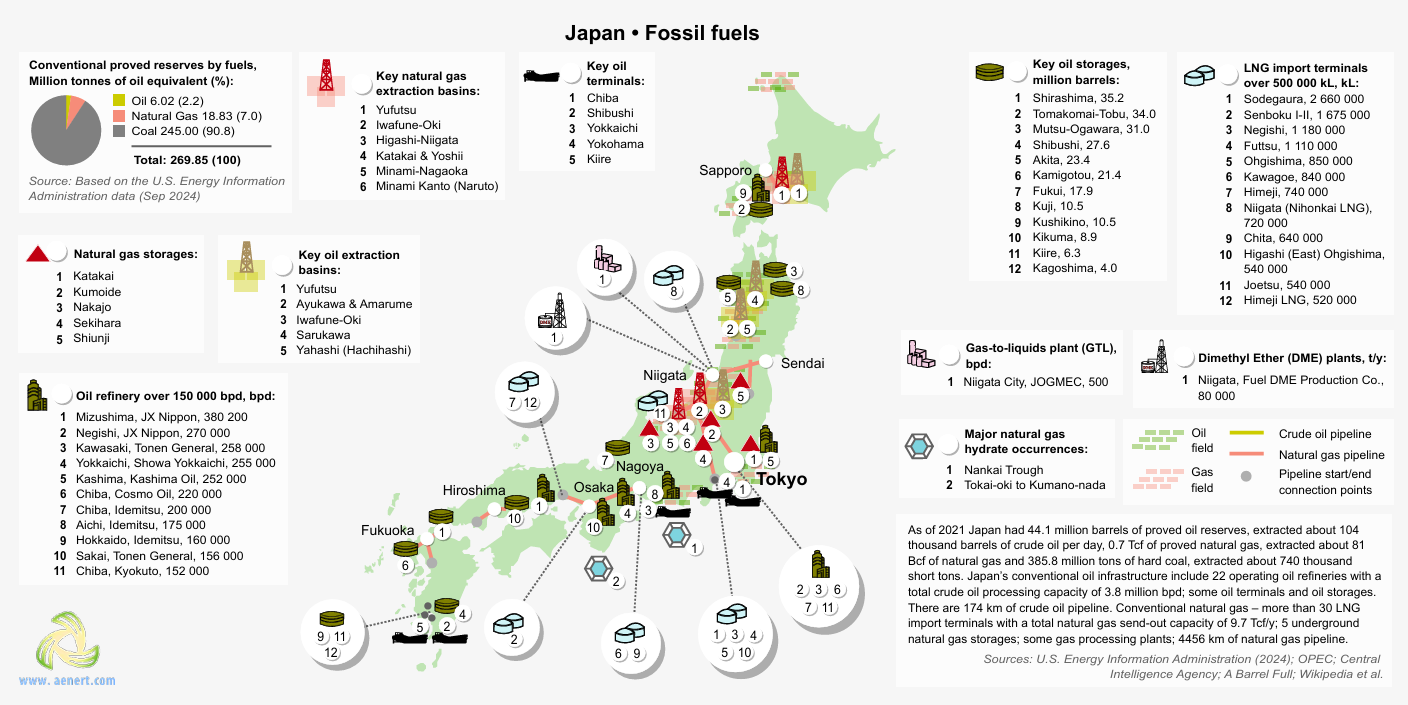
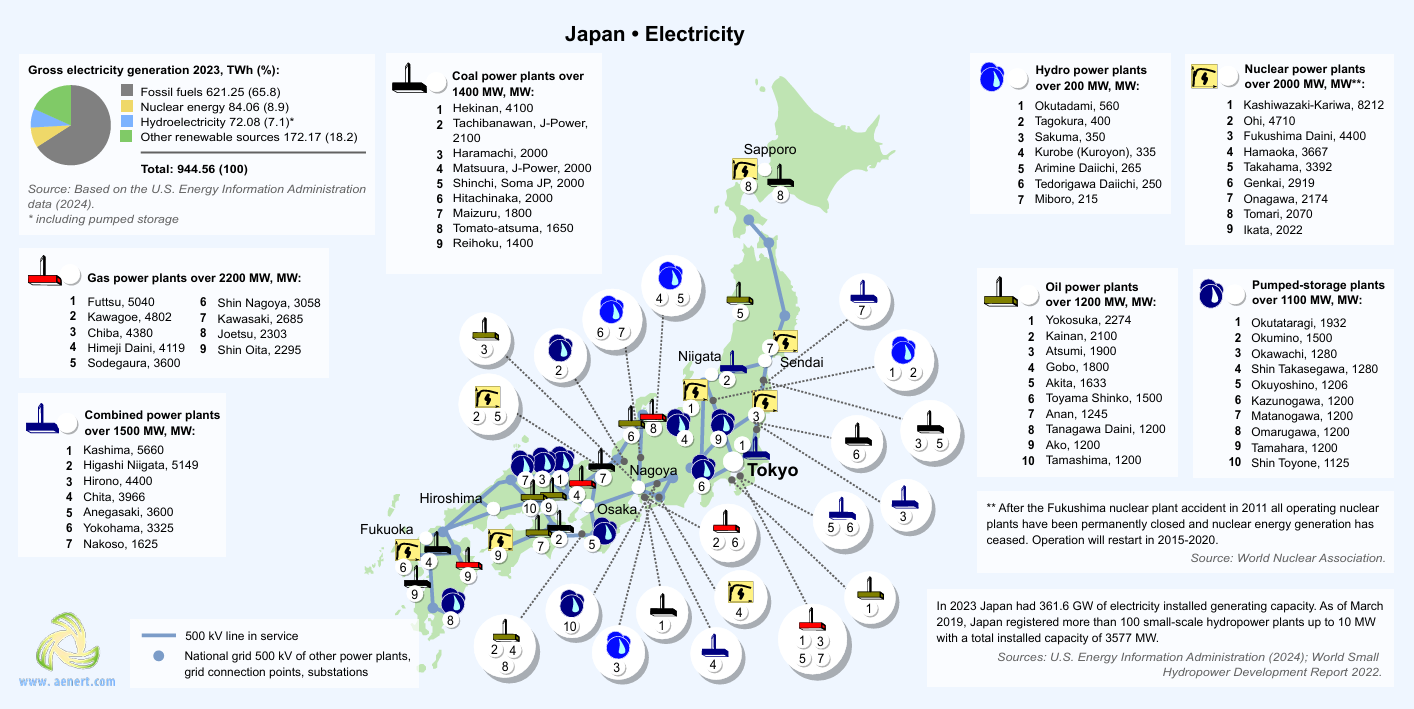
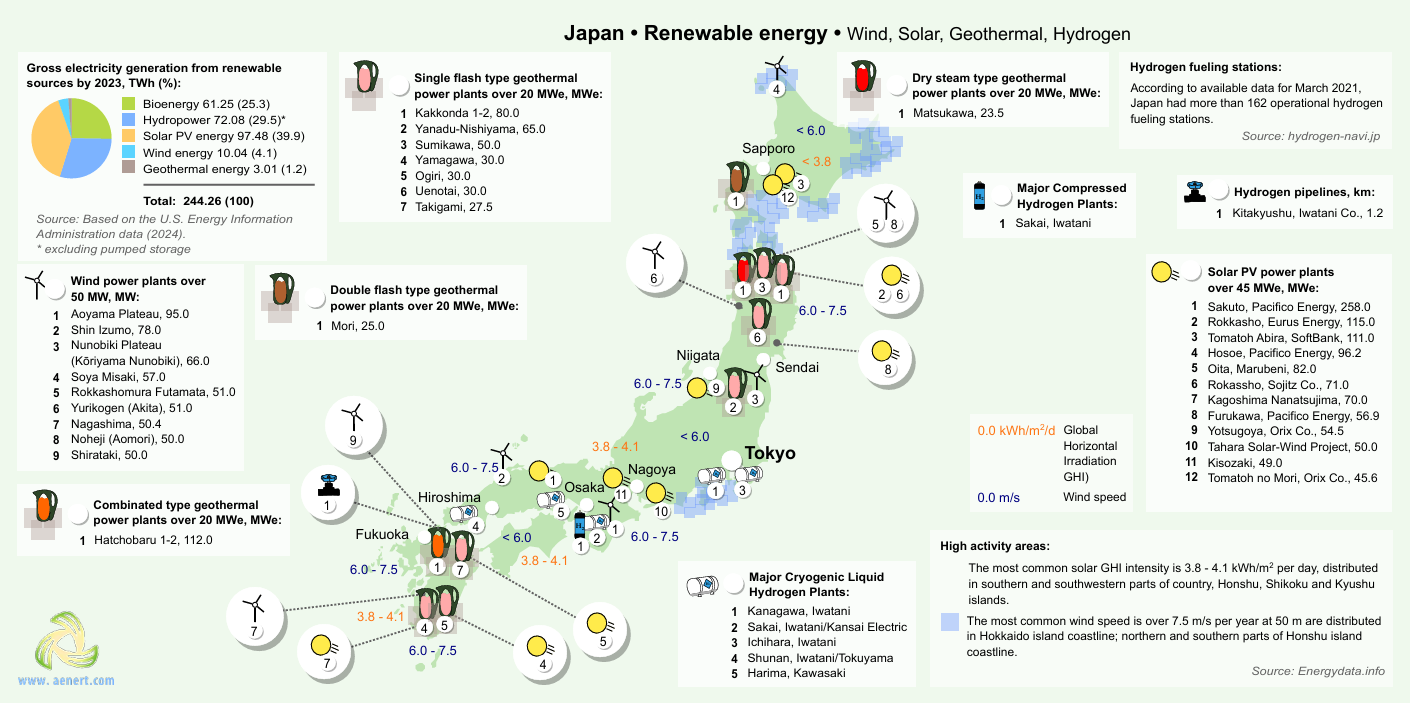
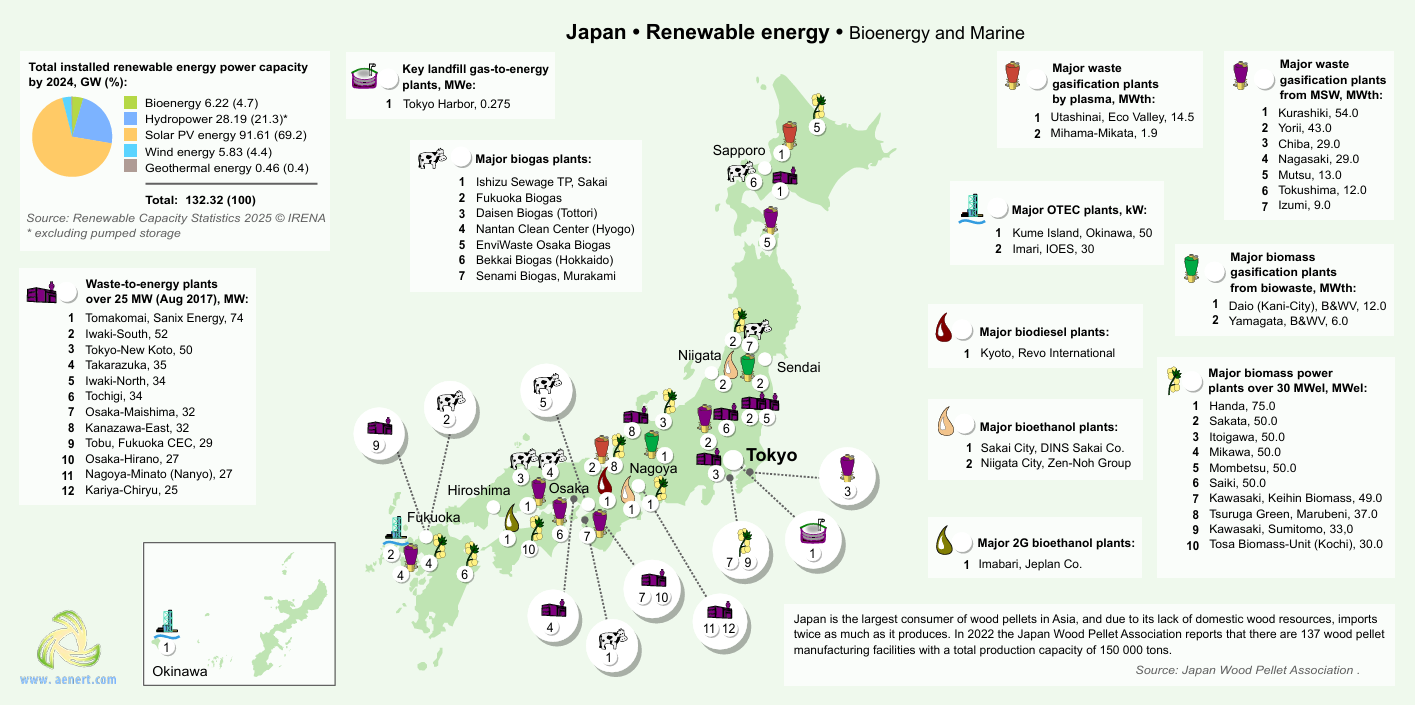
Capacity market and grid-scale BESS
Japan's capacity market auctions 4 years forward. BESS clears as new-build capacity, receiving a capacity payment alongside energy and ancillary service revenue. The demand response market (需給調整市場) provides additional stacked revenue from frequency regulation (一次調整力, 二次調整力 ①②) and reserve (三次調整力 ①②) services — each procured by OCCTO on daily to weekly cycles.
HOMER Front models Japanese BESS assets against JEPX spot price time series, capacity market payment assumptions, and demand response market revenue streams. Japan's low-carbon island electricity system targets — 2030 renewable penetration of 36–38% nationally — create sustained demand for storage modelling across all capacity sizes.
C&I and data centres
Japan's C&I electricity prices rank among Asia's highest — particularly for peak demand periods, where demand charges can represent over 40% of total bills. Behind-the-meter solar-plus-storage, fuel cells (ENE-FARM for residential, larger SOFC systems for C&I), and demand response participation through aggregators are all active markets. HOMER Grid models C&I facilities against Japan's tariff structures, including the high-voltage (high-tension: 6.6 kV) and extra-high-voltage (special high-tension: 20/66 kV) contracts that govern most large industrial and data centre loads.
Japan's hyperscale data centre market is growing rapidly — driven by AI demand, government incentives for domestic cloud infrastructure, and the Osaka and Tokyo markets. Disaster resilience — Japan's frequency of earthquakes, typhoons, and the legacy of the 2011 Tōhoku earthquake's impact on Tohoku Electric and TEPCO — makes on-site generation and storage particularly valued in the Japanese C&I market. HOMER Grid's resilience modelling captures backup duration and critical load support requirements.
Okinawa: 39 islands
Okinawa Electric Power Company (OkiElec) operates the main Okinawa island grid — one of Japan's most renewable-heavy grids, with wind and solar regularly exceeding 30% of instantaneous generation — and 38 smaller inhabited islands as isolated diesel systems. The transition of these island systems from diesel to renewable-plus-storage represents one of the most active areas of HOMER Pro use in Japan.
Japan's broader island electrification challenge spans the 6,000+ inhabited islands served by the nine regional utilities. Isolated island systems across Kyushu, Chugoku, Shikoku, and the prefectures of Nagasaki, Kagoshima, and Ehime present similar modelling requirements. HOMER Pro's island system modelling — diesel dispatch, renewable integration, battery storage, and frequency stability constraints — is directly applicable to all of these systems.
Japanese market context
METI / ANRE
Ministry of Economy, Trade and Industry and its Agency for Natural Resources and Energy. Set energy policy, FIP/FIT frameworks, and renewable targets.
OCCTO
Organisation for Cross-regional Coordination of Transmission Operators. Coordinates nine regional grid operators, manages interconnectors, and administers the capacity and demand response markets.
JEPX
Japan Electric Power Exchange. Operates spot day-ahead and intraday markets for wholesale electricity. Spot prices vary significantly by region and season.
容量市場 (Capacity Market) / 需給調整市場 (Demand Response Market)
Capacity market launched 2020, first delivery year 2024. Demand response market procures frequency regulation and reserve services from flexible assets including BESS.
Foundational HOMER references
View full bibliography →HOMER is used for energy projects in Japan and over 190 countries worldwide. Its modelling methodology — developed at the U.S. National Renewable Energy Laboratory (NREL) — is documented in these foundational references. Browse the full bibliography for 1,000+ applied studies.
-
Computer Modeling of Renewable Power Systems
Lilienthal, P.D., Lambert, T.W. & Gilman, P. (2004). Encyclopedia of Energy, NREL Report CH-710-36771.
-
Using HOMER Software, NREL's Micropower Optimization Model, to Explore the Role of Gen-sets in Small Solar Power Systems (Case study: Sri Lanka)
Givler, T. & Lilienthal, P. (2005). NREL/TP-710-36774.
-
Review of software tools for hybrid renewable energy systems
Sinha, S. & Chandel, S.S. (2014). Renewable and Sustainable Energy Reviews, vol. 32.