Asia-Pacific — New Zealand
HOMER software for energy projects in New Zealand
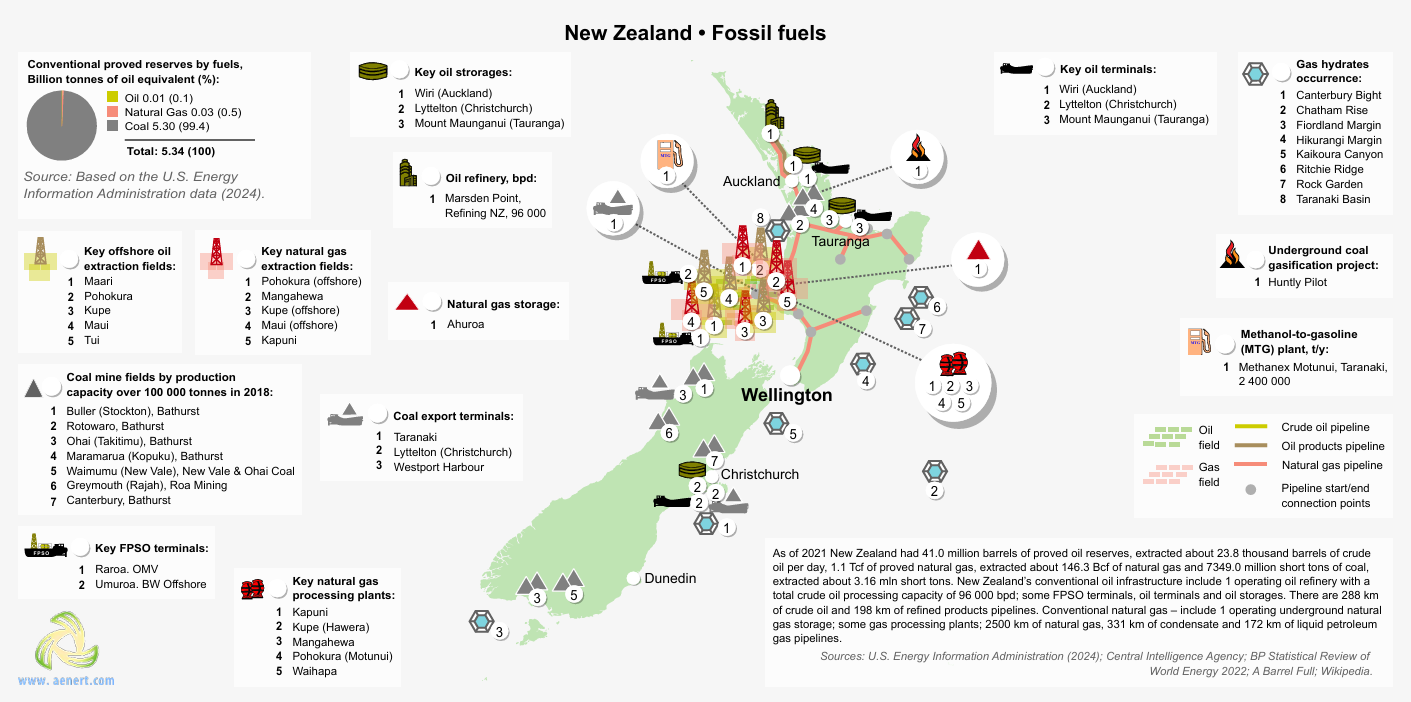
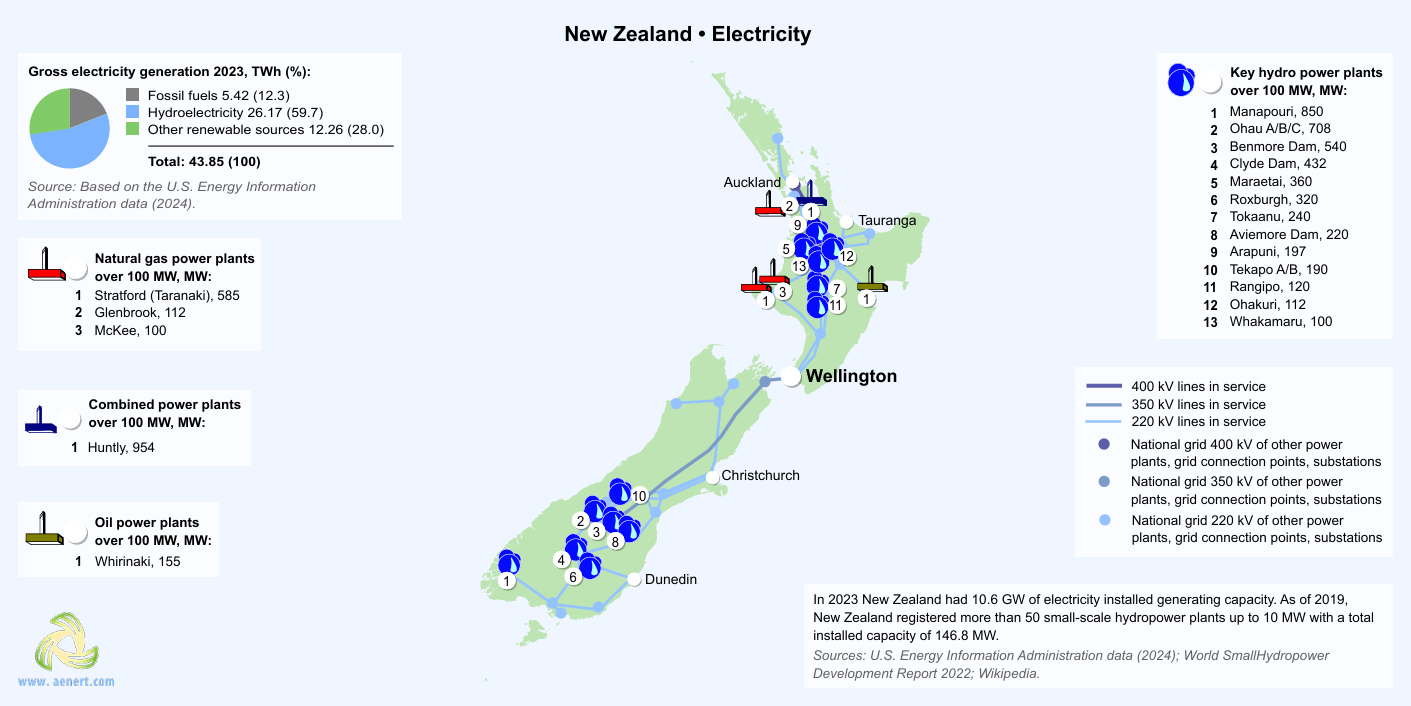
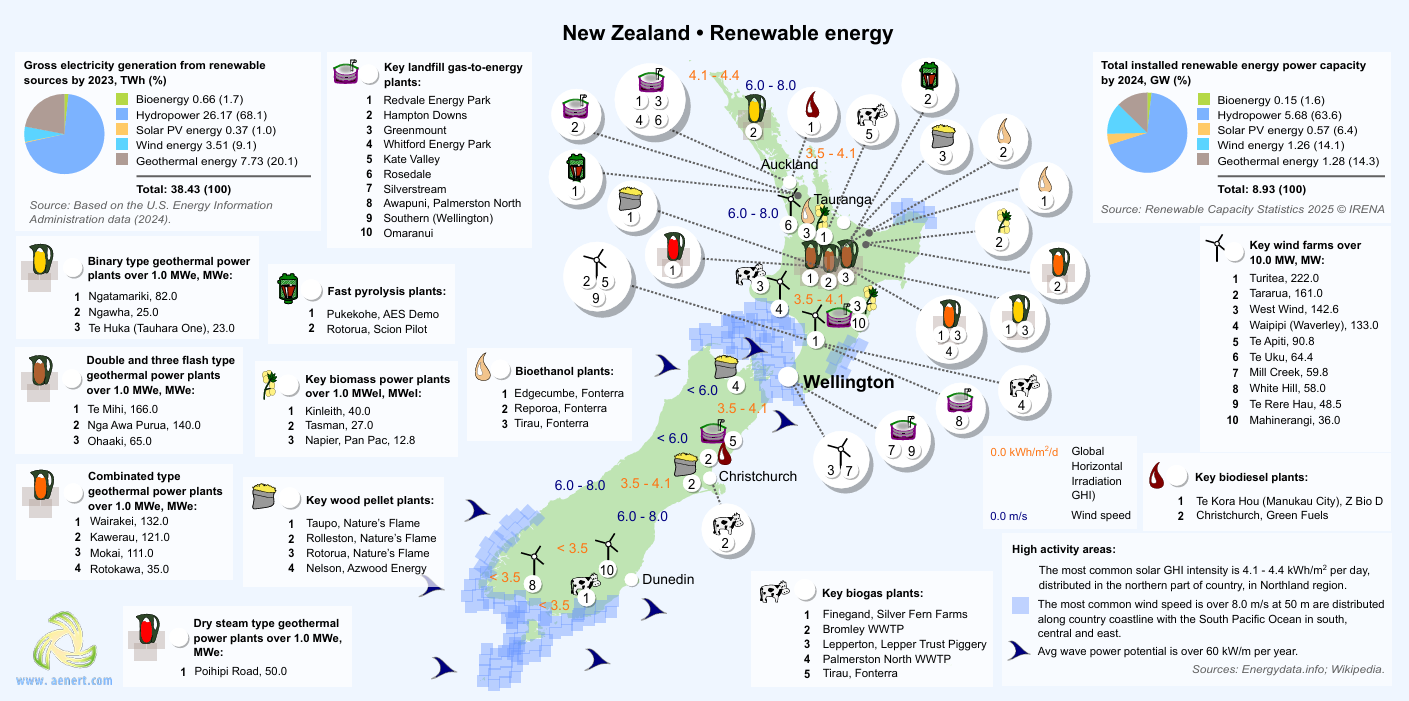
New Zealand already generates around 85% of its electricity from renewables — hydro, geothermal, and wind. The energy transition challenge here is not generation but demand: electrifying industrial heat, transport, and rural communities, while managing the island utilities and remote communities that sit outside the main grid.
New Zealand's energy context
The Electricity Authority (EA) governs New Zealand's electricity market. Transpower operates the National Grid. The NZX electricity market sets spot prices through a nodal dispatch model. New Zealand's five major generators (Genesis, Mercury, Meridian, Contact, and Trustpower/Manawa) together control most hydro, geothermal, and wind capacity. The Tiwai Point aluminium smelter in Southland consumes approximately 13% of national generation, making its contract negotiations with Meridian a major signal for the market.
New Zealand's 100% renewable electricity aspiration by 2030 (under the Climate Change Response Act) requires significant new renewable generation — primarily offshore wind in Cook Strait and onshore wind on the South Island — alongside grid-scale BESS to firm variable generation during dry hydro years. The transition also requires electricity to displace fossil fuels in industrial process heat (dairy, meat processing, timber), transport (EV uptake is among the world's fastest), and rural applications.
Remote island utilities — HOMER Pro
The Chatham Islands (Rēkohu / Wharekauri) — 800 km east of Christchurch, population approximately 600 — operate an isolated diesel electricity system. The Chatham Islands Council is pursuing a transition to wind-diesel-battery hybrid power that would reduce diesel dependence by 60–70%. Stewart Island (Rakiura), served by an isolated diesel network operated by Stewart Island Electrical Supply Authority (SIESA), and Great Barrier Island (Aotea), with Waiheke Island and Kawau Island on private diesel systems, are further off-grid contexts where HOMER Pro has been used for feasibility modelling.
New Zealand's remote island utility challenge is small in scale but significant in unit cost terms: diesel delivered to the Chatham Islands by supply ship costs 4–6x mainland prices. HOMER Pro models the economic case for wind-diesel-BESS hybrid systems at these scales, incorporating seasonal wind resource data, diesel fuel logistics costs, and the reliability requirements of communities with no alternative supply.
Industrial electrification — HOMER Grid
New Zealand's major industrial heat users — Fonterra's dairy processing plants, Alliance and ANZCO meat processing facilities, Carter Holt Harvey and Oji Fibre Solution's timber operations, and the NZ Steel plant at Glenbrook — burn natural gas and coal for process heat. The GIDI (Government Investment in Decarbonising Industry) fund, administered by EECA (Energy Efficiency and Conservation Authority), co-funds electrification conversions.
HOMER Grid models industrial electrification economics: electric boiler sizing for steam and hot water loads, co-located solar to reduce peak demand charges under Transpower's Transmission Pricing Methodology (TPM), BESS for demand management, and the economics of electrification versus continued fossil fuel use under the NZ ETS carbon price. EECA's Industrial Decarbonisation team works with major emitters using techno-economic models that HOMER Grid produces.
C&I, grid-scale storage, and distributed generation — HOMER Grid and Front
New Zealand's distributed generation rules, governed by the EA's DG Connection Standard and the Commerce Commission's Input Methodologies, allow consumers to install behind-the-meter solar and export to the grid under a distributed generation (DG) agreement. The Electricity Authority's review of distribution pricing — including demand tariffs that incentivise self-consumption and peak shifting — makes BESS co-location economics increasingly relevant for C&I consumers.
Grid-scale BESS investment in New Zealand is driven by the need to firm wind and solar generation and to manage the risk of dry hydro years. Battery projects by Mercury Energy (Kaiwera Downs wind farm), Contact Energy, and independent developers are in development. HOMER Front models NZX spot price dispatch, ancillary services (instantaneous reserves), and the capacity firming value of BESS in New Zealand's hydro-dominated system.
New Zealand market context
Electricity Authority (EA)
Governs the New Zealand electricity market, sets distribution and retail pricing rules, and administers the DG connection framework. The EA's Wholesale Market Development team manages structural market reforms.
Transpower
State-owned enterprise operating New Zealand's National Grid (transmission network). Transpower's Transmission Pricing Methodology (TPM) governs connection charges and peak demand pricing for large industrial consumers.
NZ ETS (Emissions Trading Scheme)
New Zealand's carbon pricing framework. Industrial emitters must surrender NZUs (New Zealand Units) for each tonne of CO&sub2;-equivalent. The NZU price (NZD 50–80/tonne) creates a meaningful electrification incentive for fossil fuel process heat.
EECA (Energy Efficiency and Conservation Authority)
Administers the GIDI fund for industrial decarbonisation co-investment and sets energy efficiency standards. A key funder and technical partner for industrial electrification feasibility projects.
Selected HOMER research in New Zealand
View full bibliography →Research from New Zealand institutions on battery storage and renewable integration that used HOMER, drawn from the HOMER bibliography of 1,000+ publications.
-
Battery Energy Storage Systems: Assessment for Small-scale Renewable Energy Integration
Nair, N.K.C. & Garimella, N. (2010). Energy and Buildings, vol. 42(11). (University of Auckland)
-
Assessment of Battery Energy Storage Systems for Small-scale Renewable Energy Integration
Garimella, N. & Nair, N.K.C. (2009). TENCON 2009 — IEEE Region 10 Conference.
Ready to model your New Zealand project?
Whether you're designing a wind-diesel hybrid for the Chatham Islands, modelling industrial electrification under the GIDI fund, or optimising a C&I solar-BESS system against NZX spot prices, HOMER gives you the rigorous analysis New Zealand's energy market requires.