Europe — France
HOMER software for energy projects in France
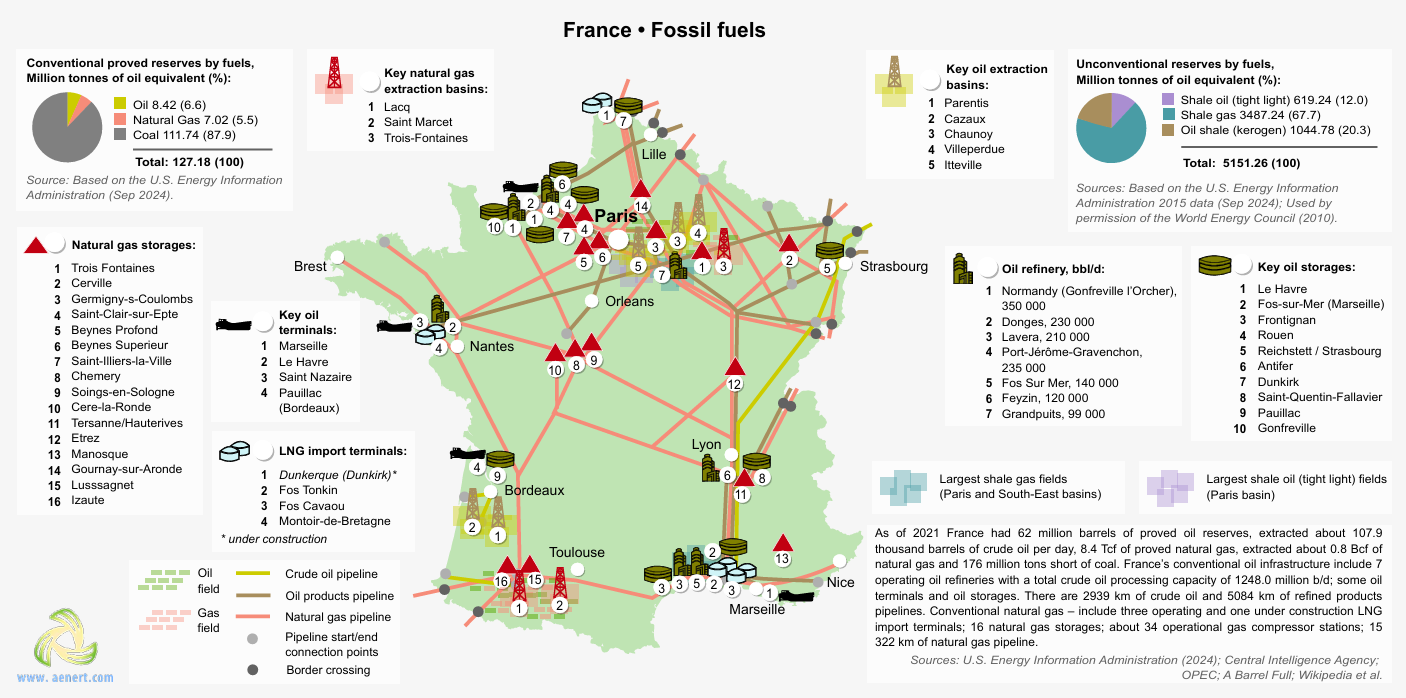
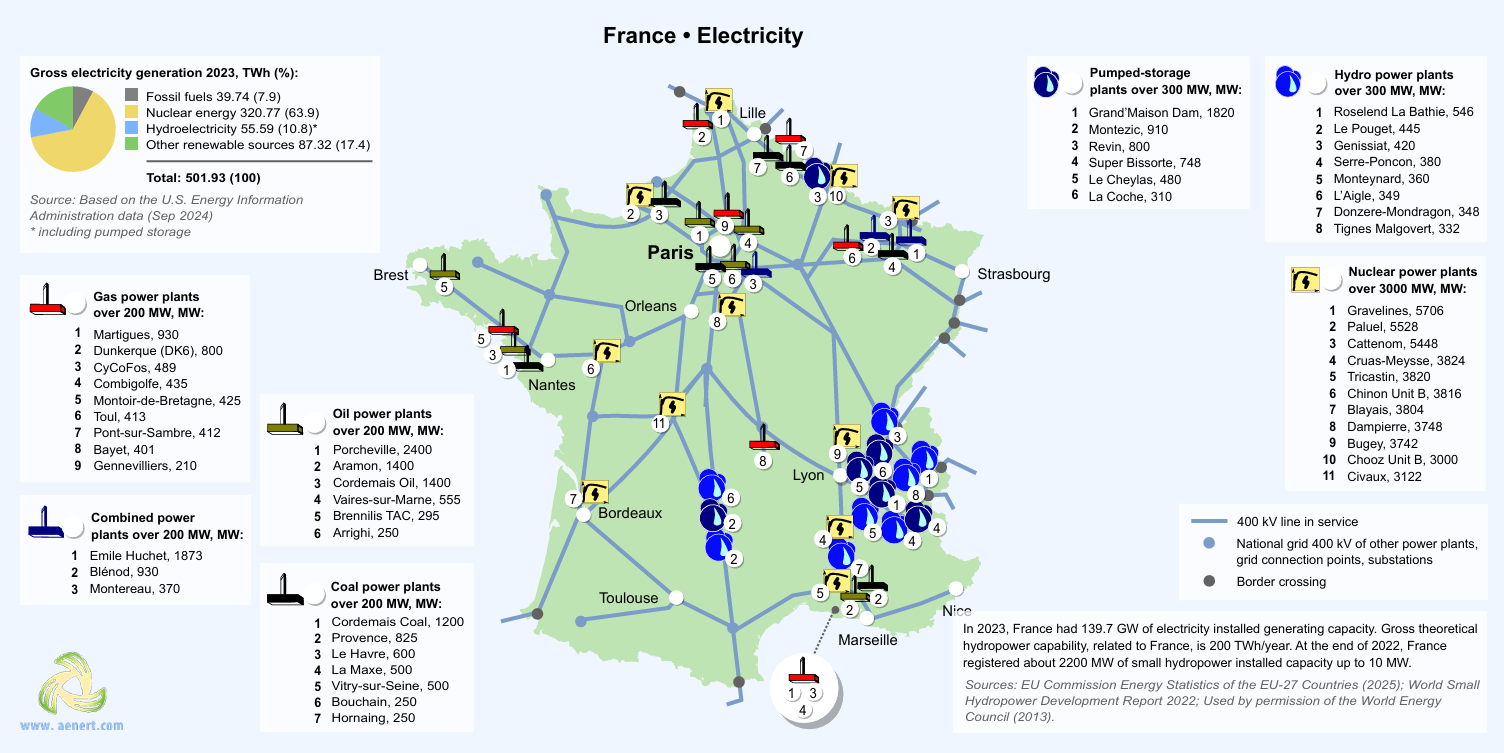
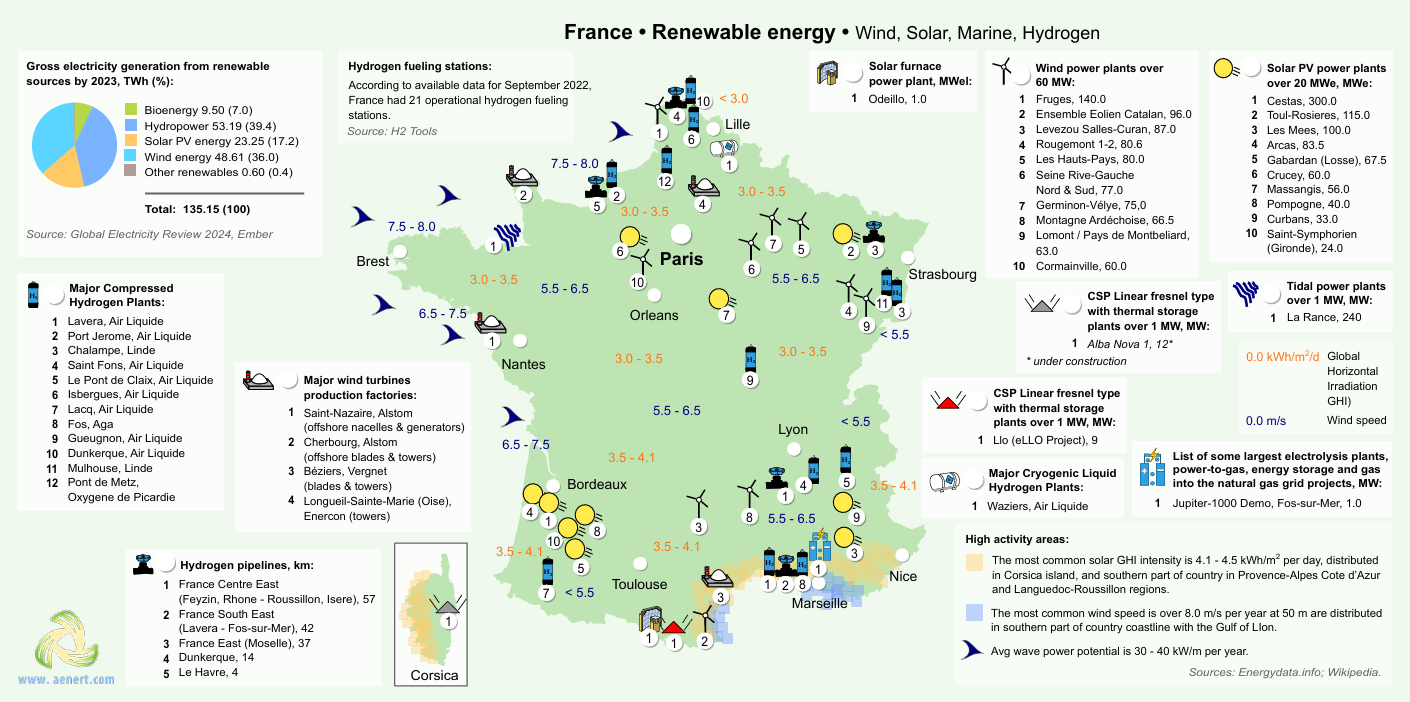
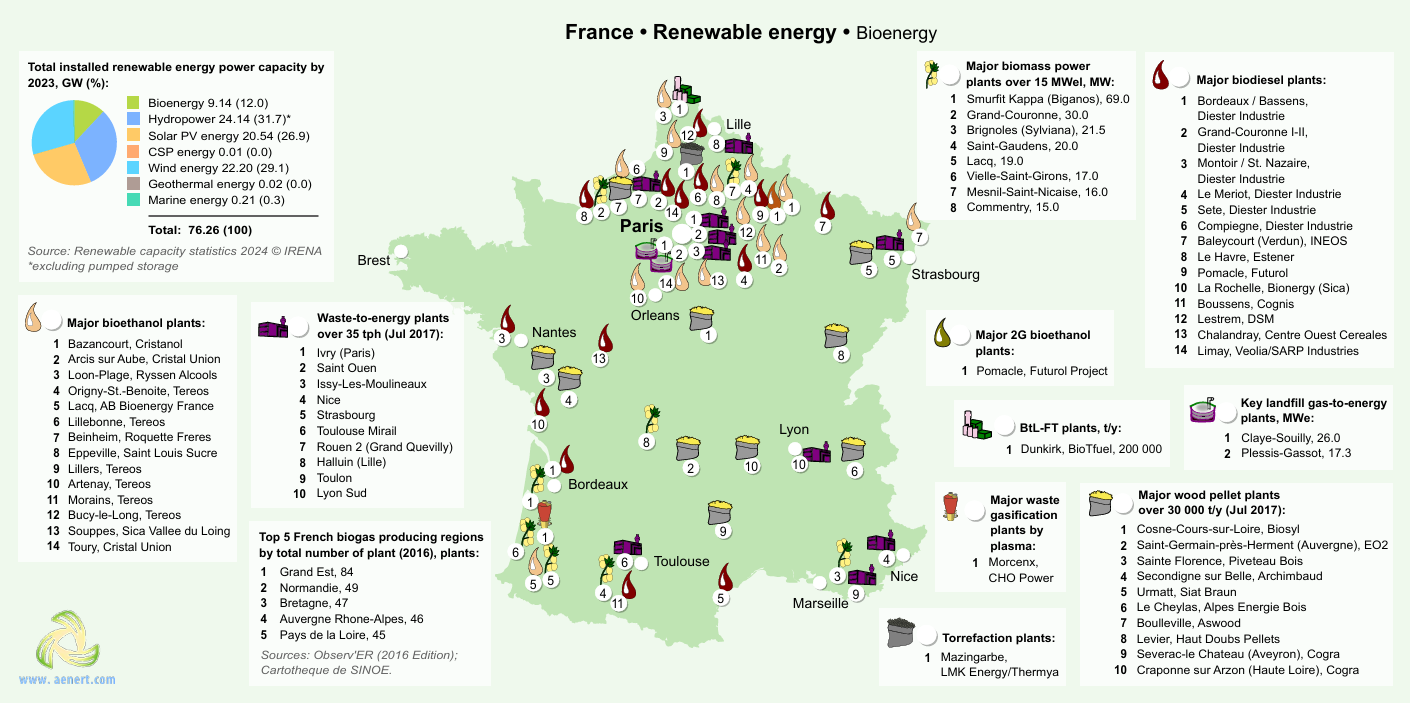
France presents a distinctive modelling context: the ZNI (zones non interconnectées) island territories — Réunion, Guadeloupe, Martinique, French Guiana, and Mayotte — represent some of Europe's most active isolated system energy transitions. On the mainland, autoconsommation collective and Loi APER 2023 are reshaping C&I and community energy economics.
France's energy modelling landscape
The Commission de régulation de l'énergie (CRE) is France's energy regulator — it oversees network access, sets tariffs, and manages the competitive tender framework for renewable capacity. CRE tenders (appels d'offres) cover both mainland France and the overseas territories, with specific tender tracks for island systems where storage co-location is often a requirement.
RTE (Réseau de Transport d'Électricité) manages the mainland high-voltage transmission network. Enedis manages the medium- and low-voltage distribution grid. In the overseas territories, EDF SEI (Services Énergétiques Insulaires) is the vertically integrated operator — managing generation, transmission, and distribution in the ZNI.
Loi APER (2023 — Accélération de la production d'énergies renouvelables) significantly expanded the framework for autoconsommation collective, extending the permitted geographic perimeter for rural areas to 20 km and creating new planning designations (zones d'accélération) to fast-track renewable development. HOMER Grid models the collective self-consumption economics these changes enable.
ZNI island microgrids
France's overseas territories — Réunion, Guadeloupe, Martinique, French Guiana, and Mayotte — are operated as isolated electricity systems under the ZNI framework. Each territory has its own programmation pluriannuelle de l'énergie (PPE) setting renewable targets and grid stability requirements. High penetration of variable renewables requires storage co-location to maintain system frequency; CRE tenders for these territories specifically require BESS alongside solar or wind bids.
HOMER Pro is the tool of choice for ZNI project developers and EDF SEI's own planning teams. The ability to model diesel generation alongside variable renewables and battery storage — including the minimum stable generation constraints of legacy diesel plant — makes HOMER Pro directly applicable to the ZNI transition. Réunion's target of 100% renewable electricity by 2030 and Martinique's 2025 targets drive active procurement.
Autoconsommation collective and Loi APER
Autoconsommation collective (collective self-consumption) allows a group of consumers and producers connected at the same injection point to share electricity. Since 2019, the geographic perimeter has expanded — and Loi APER 2023 extended it to 20 km for rural areas. HOMER Grid's multi-load structure models individual member consumption profiles, the shared generation and storage asset, and the split of savings between participants under the CRE-approved allocation coefficients.
The autoconsommation individuelle framework — single-consumer self-consumption — governs rooftop and ground-mount systems for individual C&I customers. HOMER Grid models the interaction between on-site generation, battery storage, and grid import/export under the smart export tariff (obligation d'achat) and distribution network charges.
Grid-scale storage — CRE tenders
CRE tenders for mainland France include specific tracks for BESS providing system services. HOMER Front models battery assets under the French balancing market framework — mécanisme d'ajustement — alongside energy arbitrage on the EPEX SPOT market. Co-located solar-plus-storage projects increasingly participate in CRE's H07 and subsequent tender tracks.
French regulatory context
CRE (Commission de régulation de l'énergie)
Energy regulator. Manages network tariffs, operator licences, and the competitive tender framework for both mainland France and overseas territories.
RTE
Réseau de Transport d'Électricité. Mainland transmission system operator. Procures balancing services through the mécanisme d'ajustement.
EDF SEI
EDF Services Énergétiques Insulaires. Vertically integrated generation, transmission, and distribution operator in the ZNI overseas territories.
Loi APER (2023)
Accélération de la production d'énergies renouvelables. Expanded autoconsommation collective perimeter, created zones d'accélération, and simplified storage permitting.
Selected HOMER research in France
View full bibliography →Peer-reviewed research from French institutions that used HOMER, drawn from the HOMER bibliography of 1,000+ publications.
-
Role of Hydrogen in Resolving Electricity Grid Issues
Bennoua, S., Le Duigou, A., Quéméré, S. & Dautremont, S. (2015). International Journal of Hydrogen Energy, vol. 40(23). (CEA)