Europe — Spain
HOMER software for energy projects in Spain
Spain's self-consumption revolution — driven by RD 244/2019 — created one of Europe's most active C&I solar-plus-storage markets. MACSE auctions for long-duration storage, island microgrids in the Canaries and Balearics, and emerging comunidades energéticas extend HOMER's role across all three product lines.
Spain's energy modelling context
Real Decreto 244/2019 simplified Spain's self-consumption framework, removing the "sun tax" and enabling autoconsumo colectivo (collective self-consumption) for multiple consumers sharing a single generation installation. This single regulatory change triggered a wave of C&I rooftop and ground-mount solar deployments, many co-located with battery storage. HOMER Grid models the economics of these systems against Spain's complex electricity tariff structure — PVPC (precio voluntario para el pequeño consumidor) for smaller consumers, bilateral contracts for larger ones.
The CNMC (Comisión Nacional de Mercados y la Competencia) regulates network access and tariffs. REE (Red Eléctrica de España, now Redeia) operates the transmission system. OMIE manages the Iberian day-ahead and intraday electricity markets, joint with Portugal under the MIBEL framework.
Spain's island territories — the Canary Islands, Balearic Islands, Ceuta, and Melilla — operate as isolated systems under the SEIE (Sistemas Eléctricos Insulares y Extrapeninsulares) framework. The transition of these islands from diesel-heavy generation to renewable-plus-storage is one of Spain's most active energy policy priorities.
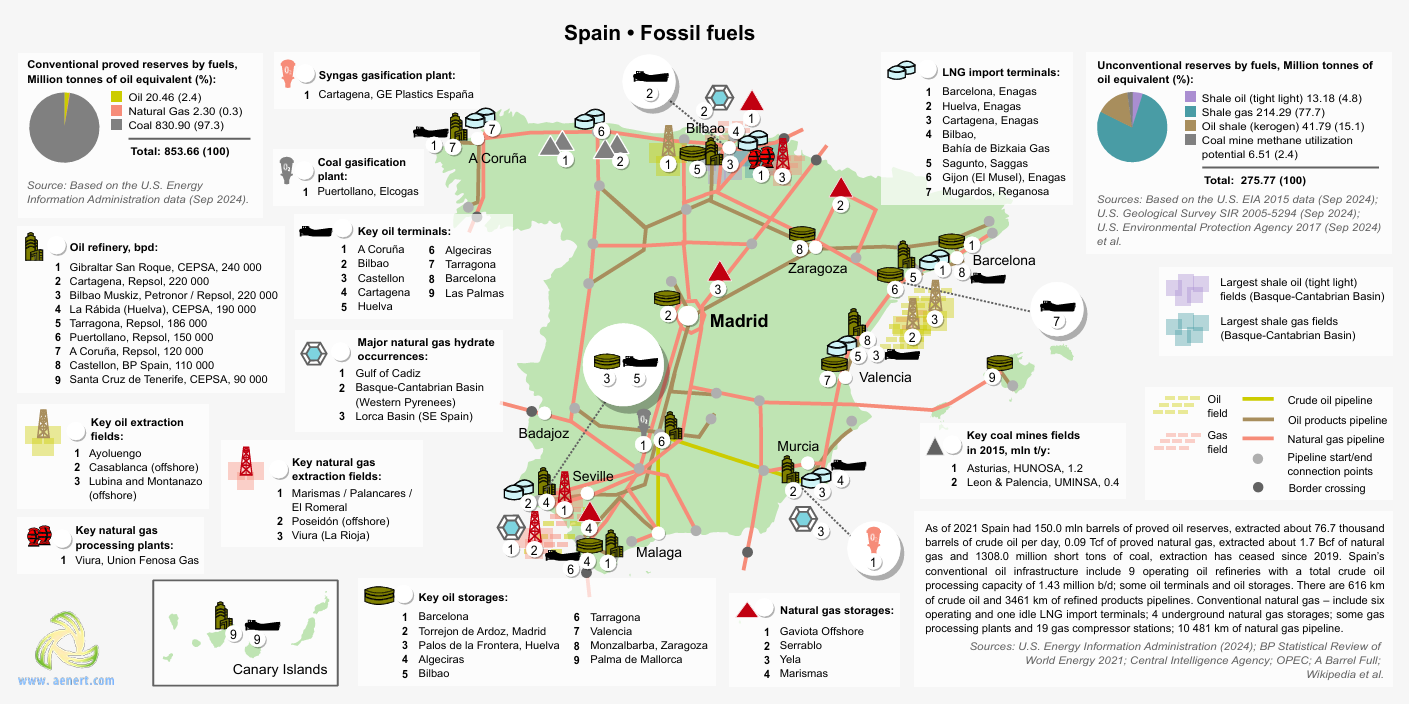
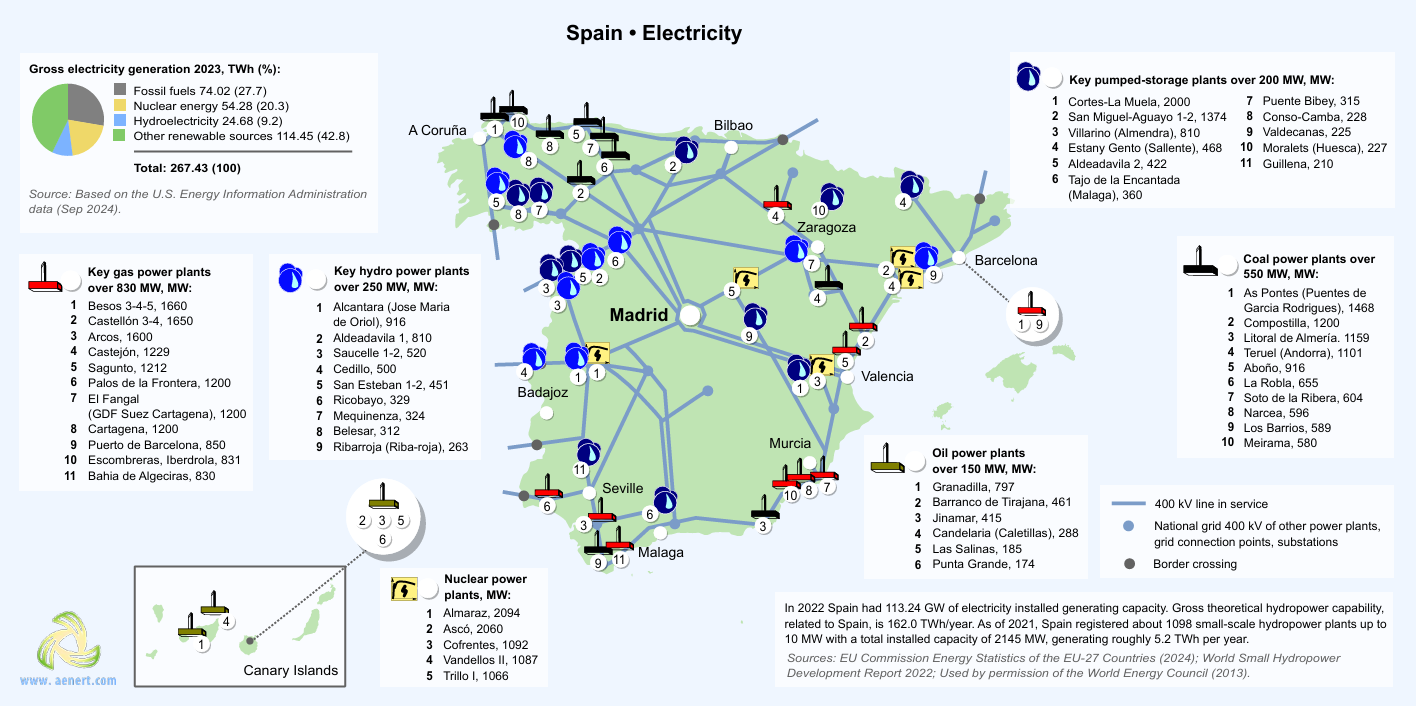
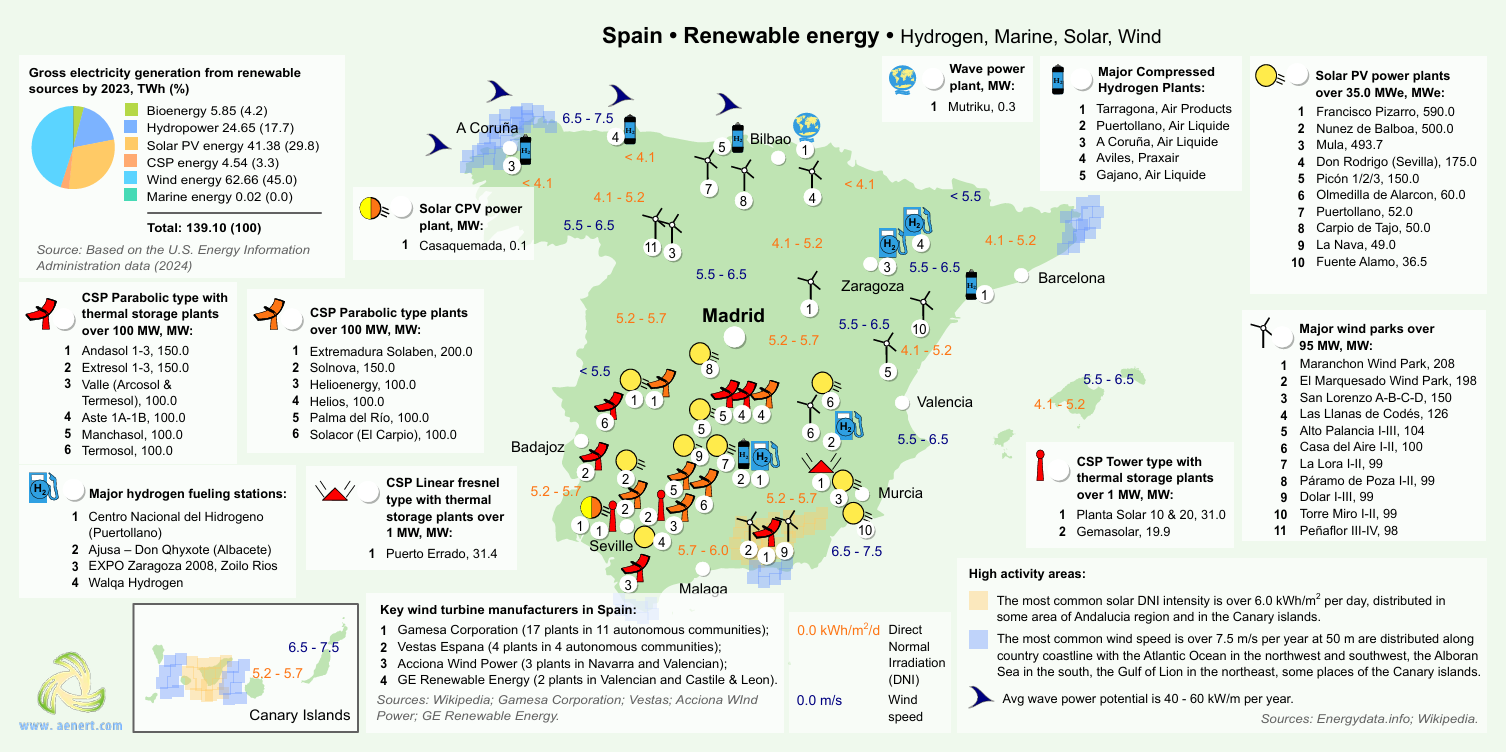
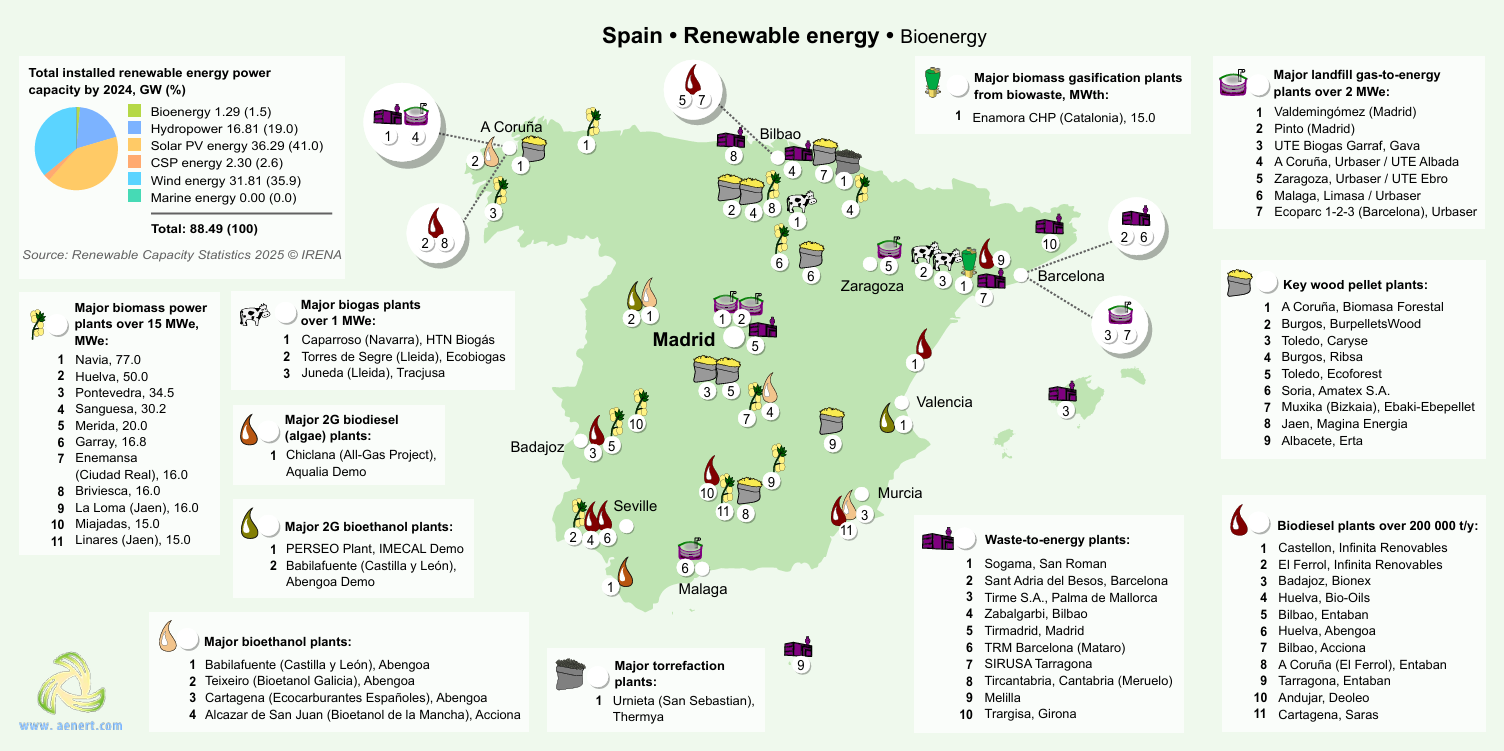
Autoconsumo and C&I self-consumption
HOMER Grid models autoconsumo individual (single-consumer) and autoconsumo colectivo (collective) arrangements under Spain's regulatory framework. The key economic inputs are Spain's time-discriminated access tariffs (peajes de acceso), the avoided cost of grid import, and the export price under the net-billing surplus compensation mechanism. Battery storage adds the dimension of inter-period shifting — capturing midday solar surplus for evening load.
Autoconsumo colectivo allows multiple consumers in a building or development to share a single installation. The 500-metre connection criterion (reduced to 2 km for comunidades de vecinos under RD 244/2019) defines who can participate. HOMER Grid's multi-consumer load structure is directly applicable to modelling these shared arrangements.
MACSE long-duration storage auctions
Spain's MACSE (Mecanismo de Ajuste del Cargo por Servicio de Eficiencia) auction framework specifically targets long-duration storage — 4-hour, 6-hour, and 8-hour systems capable of providing multi-hour system services. Spain's high renewable penetration (solar and wind together regularly exceed 60% of instantaneous generation) creates strong economic rationale for long-duration storage to manage morning and evening ramp requirements.
HOMER Front models these long-duration assets against Spain's ancillary service markets — reserva de sustitución, regulación terciaria — alongside energy arbitrage on the OMIE day-ahead market. Co-located solar-plus-BESS projects that clear MACSE auctions benefit from stacked revenue streams that HOMER Front captures.
Canary Islands, Balearics, and island microgrids
The Canary Islands — Gran Canaria, Tenerife, Lanzarote, Fuerteventura, La Palma, El Hierro, La Gomera — and the Balearic Islands (Mallorca, Menorca, Ibiza, Formentera) operate under the SEIE framework with regulated generation and distribution. El Hierro's Gorona del Viento hydro-wind pumped storage system is one of the most cited island energy transition case studies in Europe.
HOMER Pro models island systems with the full range of Spanish island generation assets: diesel, gas turbine, wind, solar, battery, and pumped hydro where topology permits. The REE-published data for island system generation mixes and load profiles provides the empirical basis for HOMER Pro calibration.
Spanish regulatory context
CNMC
Comisión Nacional de Mercados y la Competencia. Regulates network access, tariffs, and competition in energy and other sectors.
REE / Redeia
Red Eléctrica de España (now branded Redeia). Transmission system operator and ancillary service procurer for mainland Spain and the island systems.
OMIE
Iberian electricity market operator. Runs day-ahead and intraday markets for Spain and Portugal under the MIBEL framework.
RD 244/2019
The self-consumption decree that enabled autoconsumo colectivo, removed the "sun tax" on self-consumed electricity, and established the net-billing surplus compensation mechanism.
Selected HOMER research in Spain
View full bibliography →Studies and theses that used HOMER to model island and hybrid renewable systems in Spain, with a strong focus on the Canary Islands, drawn from the HOMER bibliography of 1,000+ publications.
-
Techno-economic assessment of increasing the renewable energy supply in the Canary Islands: The case of Tenerife and Gran Canaria
Qiblawey, Y., Alassi, A., Zain ul Abideen, M. & Bañales, S. (2022). Energy Policy, vol. 162.
-
Diseño de Sistemas Híbridos con Base en las Energías Renovables para el Suministro de Energía a Plantas Desaladoras por Ósmosis Inversa, en las Islas Canarias
Avila Prats, D. (2013). PhD Thesis, Universidad de La Laguna.
-
Análisis tecno-económico de alternativas energéticas renovables marinas para una microrred aislada offshore basada en hidrógeno verde (PLOCAN)
Romero Filgueira, A. (2025). Doctoral Thesis, Universidad de Las Palmas de Gran Canaria.